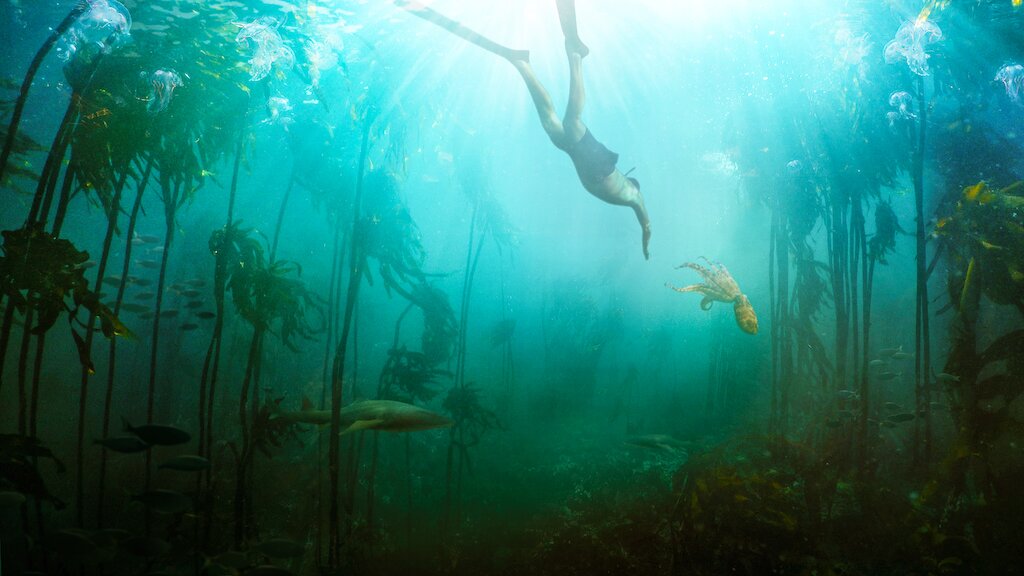

A few weeks ago, I watched the Netflix documentary, My Octopus Teacher, which depicts a wildlife filmmaker (Craig Foster) forging an unusual friendship with a cephalopod during his underwater expedition. The documentary is deeply meditative, as it beautifully frames the vibrant life of the kelp forest off the coast in South Africa. It hits close to home when this gentleman mentions how he one day decides to venture out on this diving venture to seek a radical change from his depression. At first, he comes across an alien-looking creature shielding itself with seashells, but later onwards, he realizes it is a wild octopus armoring itself from predators. He often visits her in anticipation to understand her environment, lifestyle, and behavior. Then one day, she puts one of her tentacles out toward him to greet this stranger. She soon trusts this man like a friend, and she shows off her mannerisms and intelligence as if she is trying to impress this new guy. Even though he doubts if this creature is getting anything out of this relationship, he revisits to bond with her and to understand her high invertebrate intelligence. He states he was impressed to see this highly anti-social animal play with the shoal of fish. As a viewer, it was like watching a poetry in motion, particularly in the way she was cloaking herself and making those gentle strokes with her tentacles as if she was playing a piano.
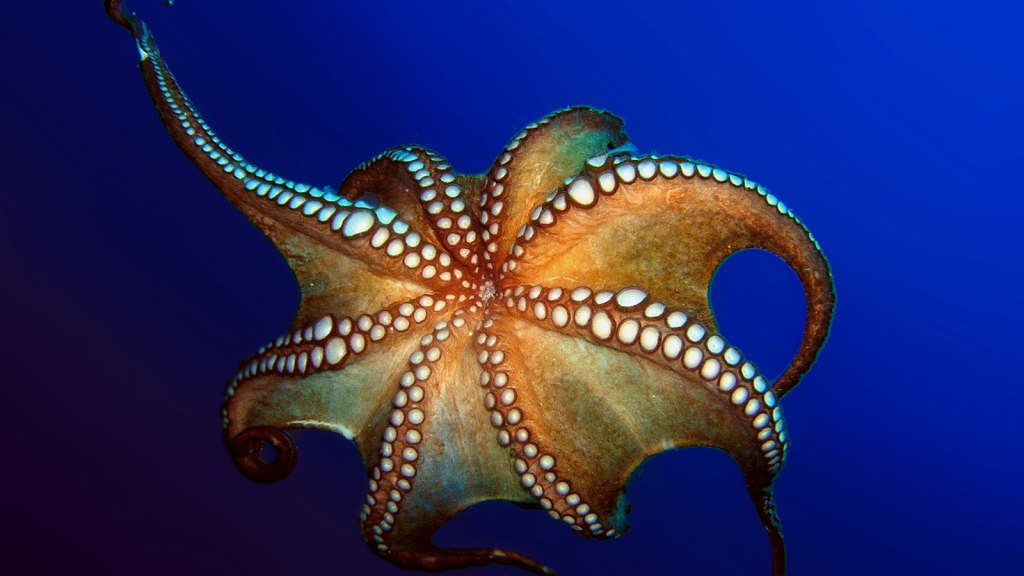
When the octopus huddles in its den as she recovers from the shark attack, the filmmaker remembers his depressive state of mind. He notices how both of their lives are reflecting off each other as this resilient creature regenerates her severed arm, and soon, he is confident he will be able to grow out of his depression. He starts to question his own vulnerability and his relationship with others while he kept going back during the healing process. It was dreading to watch the octopus slowly die while she was saving her energy and strength to oxygenate the eggs, so they are able to hatch in time. Even during her last days, she resides outside her den to die, and in some way, she was letting the fishes and brittle stars to feed off her, allowing the kelp forest to nourish. After her tragic death, Craig visits her main den to feel her presence, and then, he comes across a baby octopus that might be one of her own young. He takes his son underwater to show and teach him everything, passing on his knowledge about marine wildlife. Seems to me, he was trying to get closure and pay her respect by teaching his own son about the ocean because the octopus had no parents to guide her, nor she was able to be there for her own young.
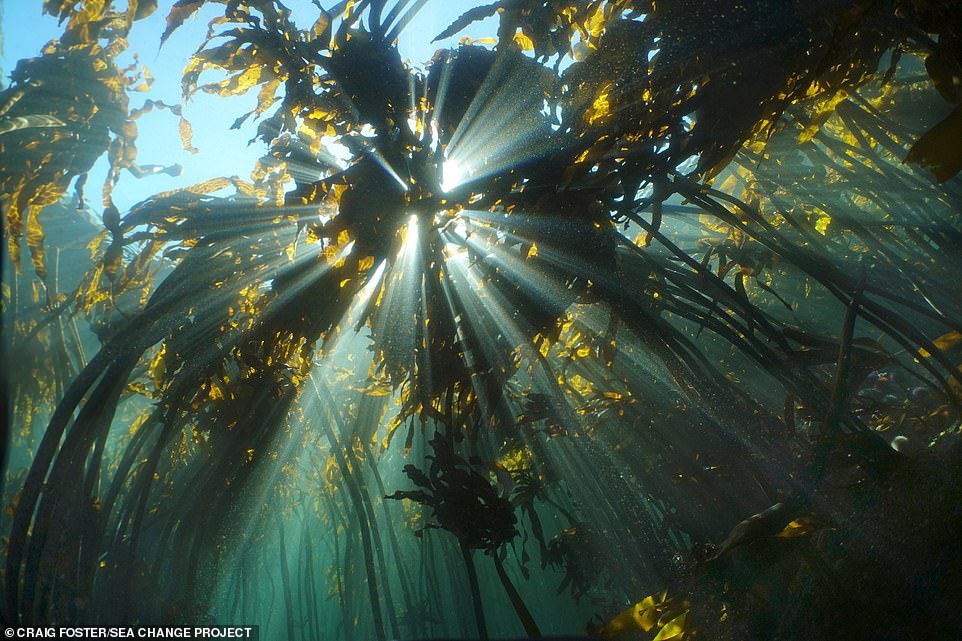
Above the surface of the water, the kelp forest looks like just patches of isolated, dense area, but they provide food and shelter for thousands of marine species. The film reminds us we are all connected to the earth and the small lives around, whether it being in life and even death. We express our gratitude to John Muir for his visionary ideas and conservation efforts that led to the national parks we have access to in the modern-day. However, we are so behind on the sanctuary of marine wildlife because we go on with our way of life that is affecting the ocean’s health. The film reminds us we have a responsibility to protect and sustain the marine biodiversity to create a healthy ocean and ultimately a healthy planet.
 With Abba
You must be logged in to post a comment.