
What must have been like for Jesus to enter into the Judaean desert for forty days and forty nights? To leave behind his mom and cousin before He had gathered His disciples. Was it frightening? Was it lonely and desolate?
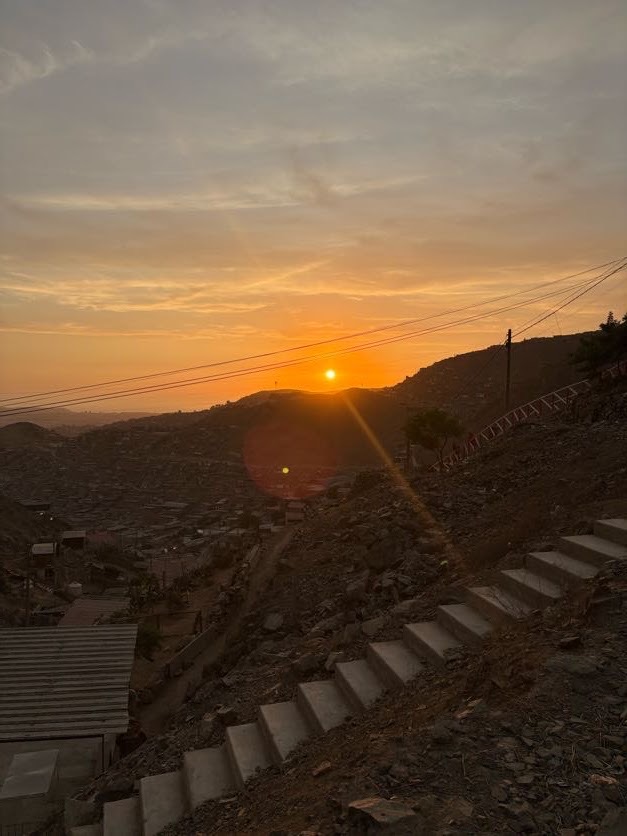
These questions lingered in my mind at the beginning of this Lenten season. When I began my mission trip to Pamplona Alta, a hillside community on the outskirts of Lima, I realized that I too was stepping into my own desert filled with fear and uncertainty. Before the trip, I intentionally avoided researching too much about Pamplona. I wanted to enter into the mission without any preconceived notions, I wanted to embark with an open heart, trusting that despite what awaited us the LORD would provide.
On our first morning in Lima, our group of twenty-four which included college students, young adults, FOCUS missionaries and a deacon boarded a bus toward Pamplona after dropping off our luggage at the retreat house. As we drove past the city, I watched the landscape slowly change from tall buildings and paved streets to dusty hills and simple roadside markets.
The streets were alive with so much movement. Local buses moved steadily along crowded roads while people patiently waited at bus stops. Moto taxis squeezed through narrow streets, their engines echoing through the roads while vendors called out to passing crowds. Honking horns blended with distant music, barking dogs, and conversation spilling out from roadside shops. The markets buzzed with activity as vendors sold fresh fruit, bread and juices beneath colorful signboards. At first, lima felt overwhelming, but there was sort of a rhythm beneath the chaos, a kind of heartbeat woven into everyday life. Once we began climbing the hills of Pamplona, the realities of poverty became more visible.
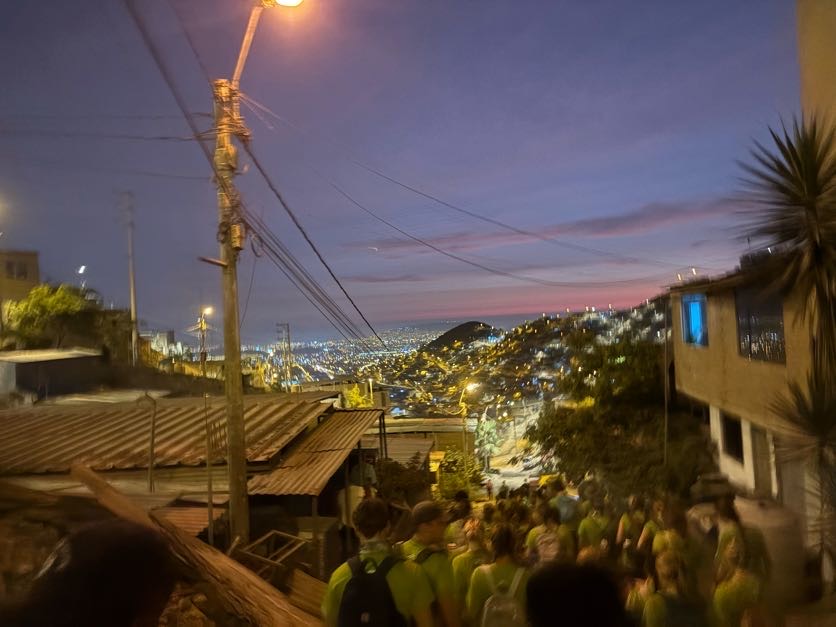
Since the drinking water in Lima was not safe, we carried heavy boxes of water up the hills every day. The sun beat down on us as we carried supplies and work materials, and it did not take long before our legs began to ache. The paths were steep and uneven, made mostly of loose sand with only a few scattered rocks and gravel to steady our footing. The dust clung stubbornly to our skin after every climb. By the time we reached the top of the hills, our shoes were coated in pale sand, sweat had mixed with dust until it settled across our arms and faces like another layer of skin.
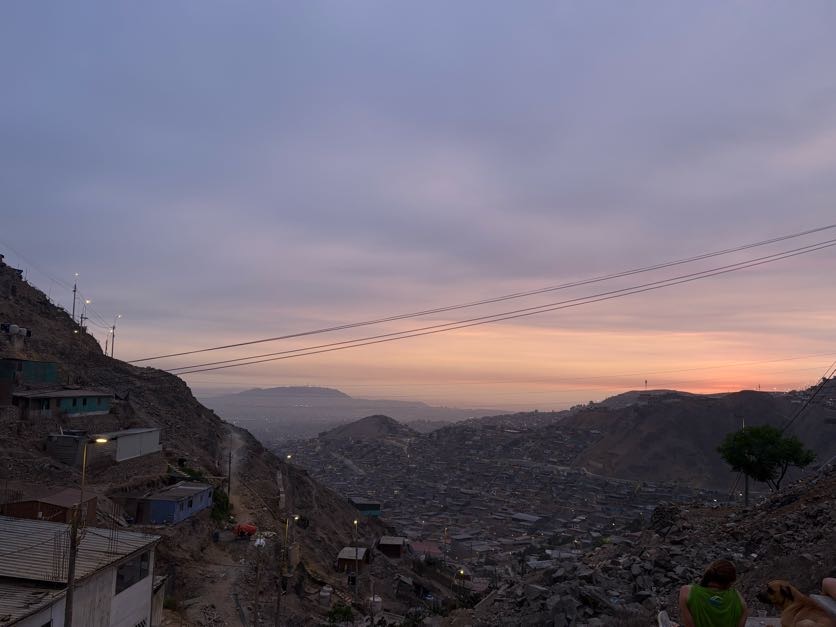
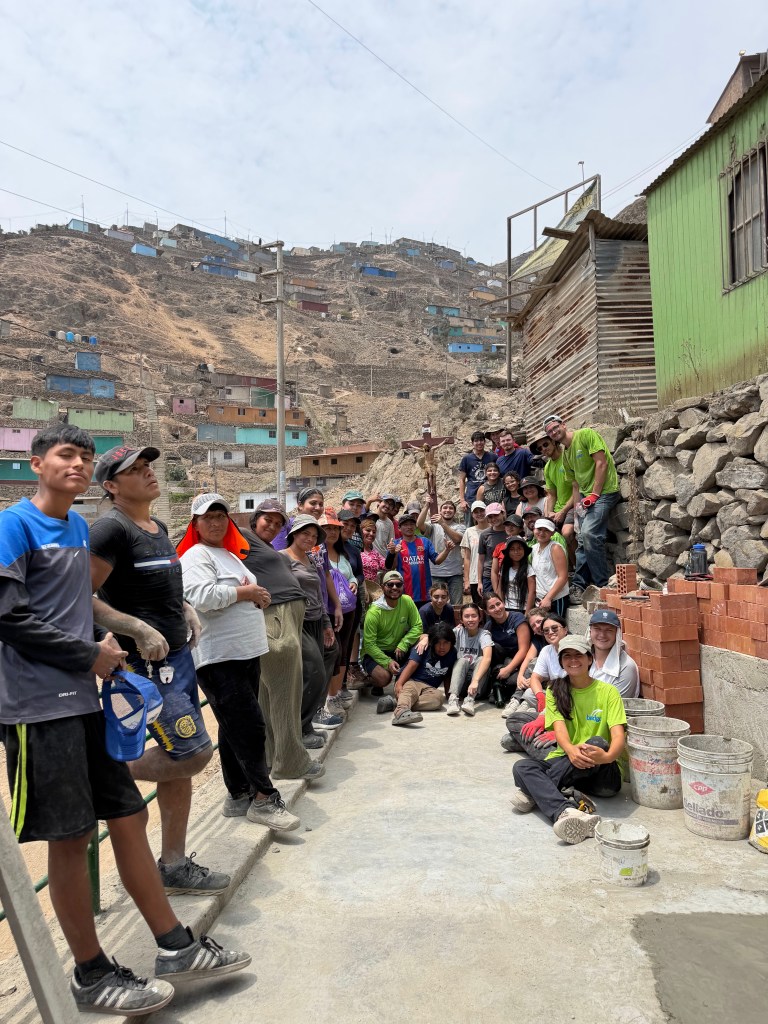
Walking up hills of Pamplona felt both physically exhausting but strangely beautiful. What made the climb even more humbling was watching the local neighbors move through the same terrain with ease. For them, these difficult climbs were simply part of daily life. Many homes built along the hillsides did not even have refrigerators, so families walked down the hills every morning to buy fresh vegetables, fruits and meat to cook for the day. When we finally reached the top of the hills, the cool ocean breeze brought a sense of relief. Near sunset, the hills transformed completely. The harsh desert terrain softened beneath an orange glow while the Pacific Ocean stretched endlessly in the distance.
As the week went on, those hills began reminding me more and more of Calvary, the hill our savior climbed before his death. I could picture the wounded Jesus carrying the weight of the cross on His shoulders, trudging barefoot, enduring the pain while wearing a crown of thorns. As I climbed these hills of Pamplona, in a small way I was able to partake in Jesus’ suffering. I realized what a gift it was to share a small part in His mission.
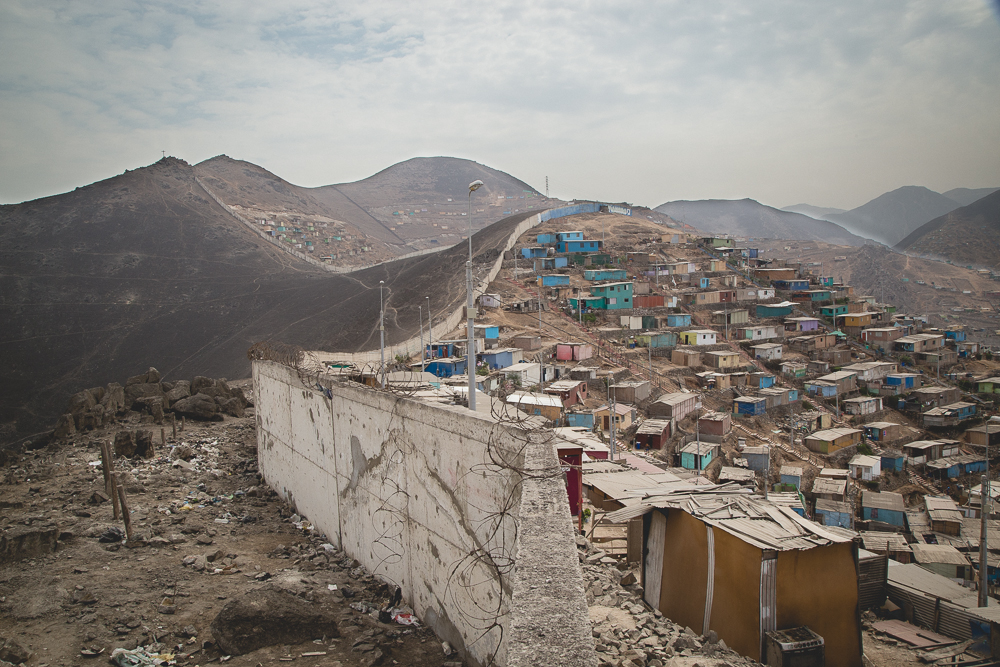
Yet beyond the physical exhaustion of the hills, I slowly began encountering the deeper wounds carried within the community. Since my Spanish was so broken, I often struggled to have genuine conversations with the people in Pamplona. I listened closely to the missionaries and volunteers who translated stories for us. Through them, I learned more about the realities of life there. One consecrated sister shared with me how there once stood a “Wall of Shame”, a wall that separated wealthier neighborhoods in Lima from poorer communities like Pamplona. Though much of it has since been demolished, it remains a potent symbol of the ongoing struggle against poverty and systematic segregation in Peru.
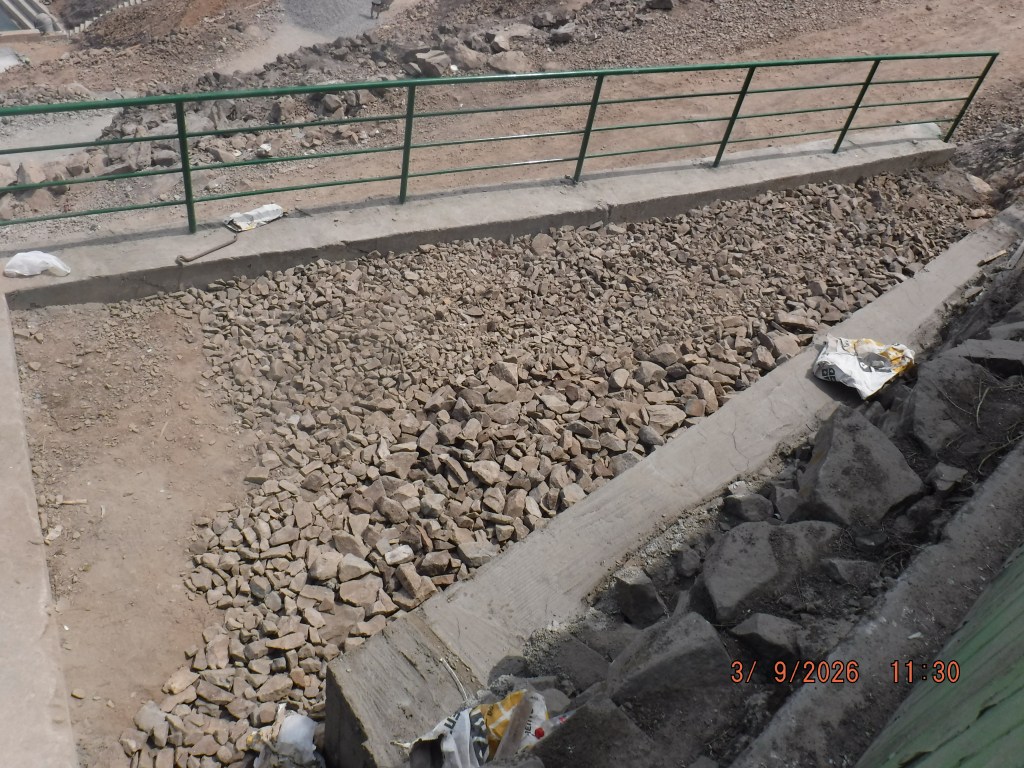
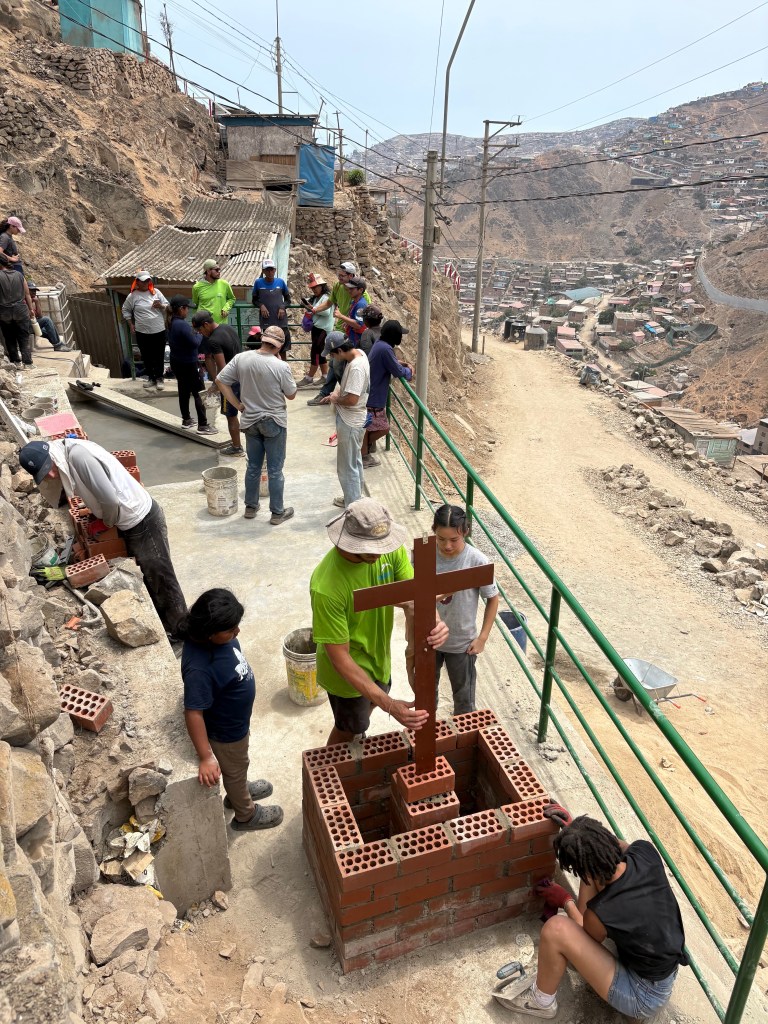
During the week, we helped construct a grotto dedicated to Jesus, transforming what had once been an empty hollow in the hillside into a sacred place of prayer. We gathered rocks from the edge of the hills and formed lines on the stairs to pass materials from one person to another. Many of us had never mixed concrete before, yet the local people patiently taught us how to combine sand, water, and cement until it became thick enough to pour.
The air carried the smell of concrete, sand, sweat, and food drifting from nearby shelter where a group of local women prepared lunch for the volunteers. Our hands grew dusty, our backs ached, and our clothes stayed coated in dirt throughout the day. Yet there was something deeply beautiful about the rhythm of working together. There was laughter in the midst of exhaustion, and day by day, the grotto began to resemble a place worthy of holding an image of Christ. More than anything, I witnessed the strength of community and how GOD meets us in the brokenness of humanity.
During one of the homilies, the priest spoke about forgiveness and the brokenness of humanity while sharing a story from his time serving at an orphanage in Vietnam. One day, a five-year-old girl was left at the doorstep of the orphanage by her father. She was told by her dad that he would return immediately, so every day she waited by the door for him. She had memorized his phone number, so the priest tried calling several times, but there was no response. Months later, the dad finally came back, the little girl immediately ran toward him and embraced him. When the priest asked why she was not angry with her dad for leaving, she simply responded that she knew how hard her father had struggled to provide for her. He had done what he could for her. The priest was so shocked at this understanding and compassion for her father’s misery that conquered more than the fact her dad abandoned her.
Later that same day, after hours of shoveling sand and mixing concrete, our group sat down together for lunch. As we were eating, one of the field staff approached us and shared that one of the local women was having a mental breakdown because her three kids were taken away by social workers.
That evening during adoration, both stories stayed with me. I could not stop thinking about the pain of those parents and the difficult choices they carried. I felt like the mom in Pamplona tried her best to hold onto her kids for long as she could until they were taken away. Whereas, the dad in Vietnam willingly chose to leave his daughter at the orphanage, not because he wanted to, but because he was afraid that his child would suffer. Neither did I feel any bitterness. I found myself thinking about my own parents and the sacrifices they made to bring my siblings and me to the US so we could have opportunities they never had. Though we were not living in extreme poverty, there were still struggles and sacrifices I never fully understood.
During the very last day, I was playing volleyball with the children and other volunteers when I stepped into the shade for rest. One of the girls from my group was holding a little boy, around two years old. When I reached out to give him a high five, he stretched his arms toward me. She warned me he had been hitting people a lot. Funnily enough as soon as I picked him up, he slapped me across the face. I tried calming him by gently rubbing his back. I walked around the court holding him for a while until eventually he rested his head on my shoulders and fell asleep in my arms. I held him there until it was time for us to leave Pamplona. On the ride back to the retreat house, I kept thinking about that little boy. I felt like his tantrums was because he was simply tired and he didn’t how know to express his feelings.
In Pamplona, I began recognizing that every person longs to be fully seen, known, and loved. I saw glimpses of that love everywhere in the smiles of the children, in the strength of the families, and in the community’s generosity despite having so little. As much as we had traveled across the world to encounter physical poverty, I was slowly confronting the poverty and brokenness within my own heart.
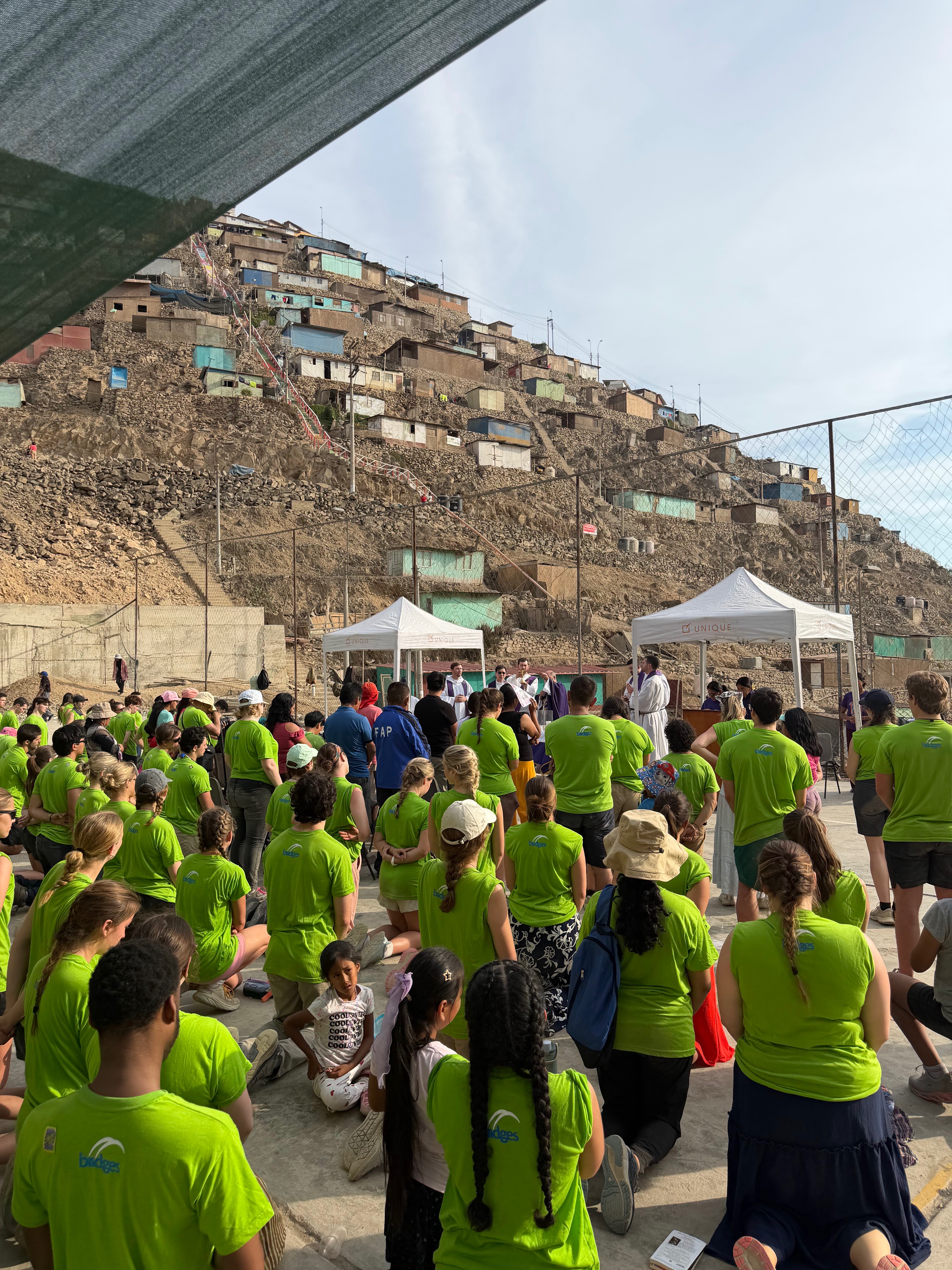
One of the most powerful moments of the mission was the Eucharistic procession. On the hottest day of the week, another group descended from a neighboring hill led by a priest carrying Christ in the monstrance. As they approached the volleyball court, praise and worship music echoed through the hills while bells rang loudly. Children who had been running around moments earlier sat quietly in the front, watching with curiosity and wonder.
There, beneath the blazing sun, we spent hours in Eucharistic adoration on the same court where children usually played volleyball. There was a deep stillness in those moments, as if Christ had been present in the hills long before we arrived. Just as He climbed mountains to encounter His Father and serve others, we too are called to climb the mountains within our own hearts.
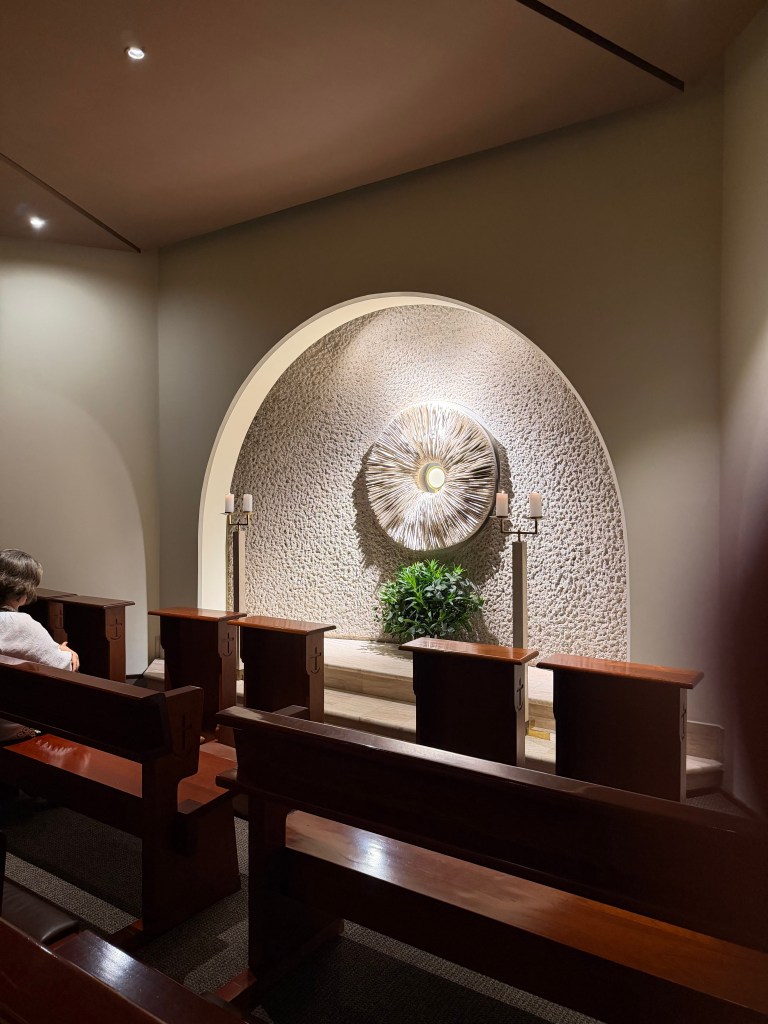
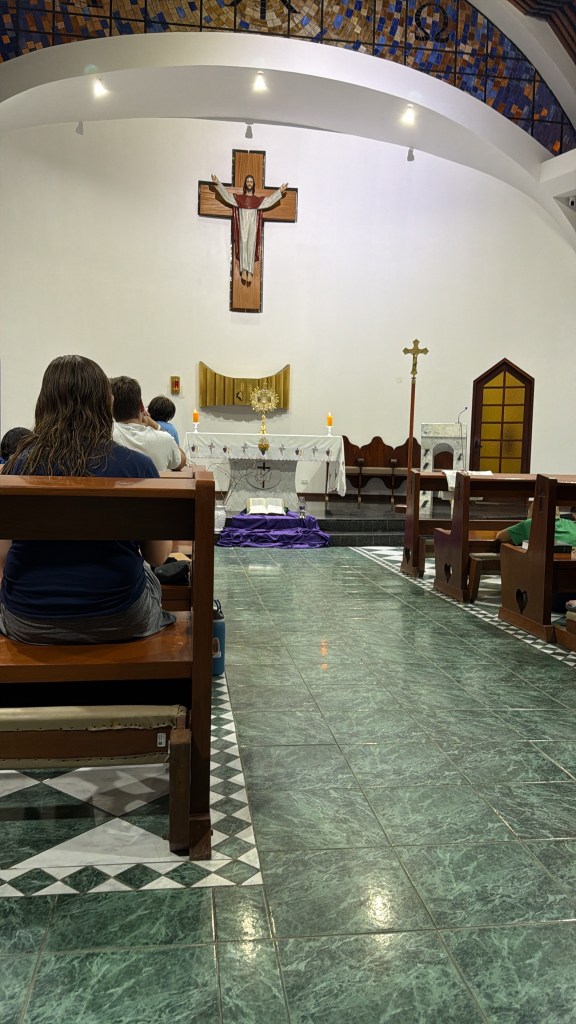
Leaving Peru on the last day felt bittersweet. I did not know whether I would return next year. A few weeks later, back in Philadelphia, after a long day at work, I walked into my parish chapel for adoration. I was so tired and hungry, but as I entered the chapel, I noticed two of the FOCUS missionaries, who were on the mission trip with me, singing praise and worship. When I looked around, I realized many of the people there had been on the mission trip with me in the nearby pews. Looking at Christ at the altar, I was taken back to those evenings in Peru after long days of climbing hills and working beneath the heat. Yet every evening spent before the Eucharist felt like true rest in all ways. Sitting there in adoration at another chapel with my team, I thought of the same Jesus I adored on those dusty hills remained present here in the silence of the Eucharist.
In the end, Pamplona did not leave me only with memories of steep hills, tired hands, and ocean sunsets. It left me with the quiet conviction that God continues to wait for us in every desert, every chapel, and every weary heart willing to encounter Him.
 With Abba
You must be logged in to post a comment.