
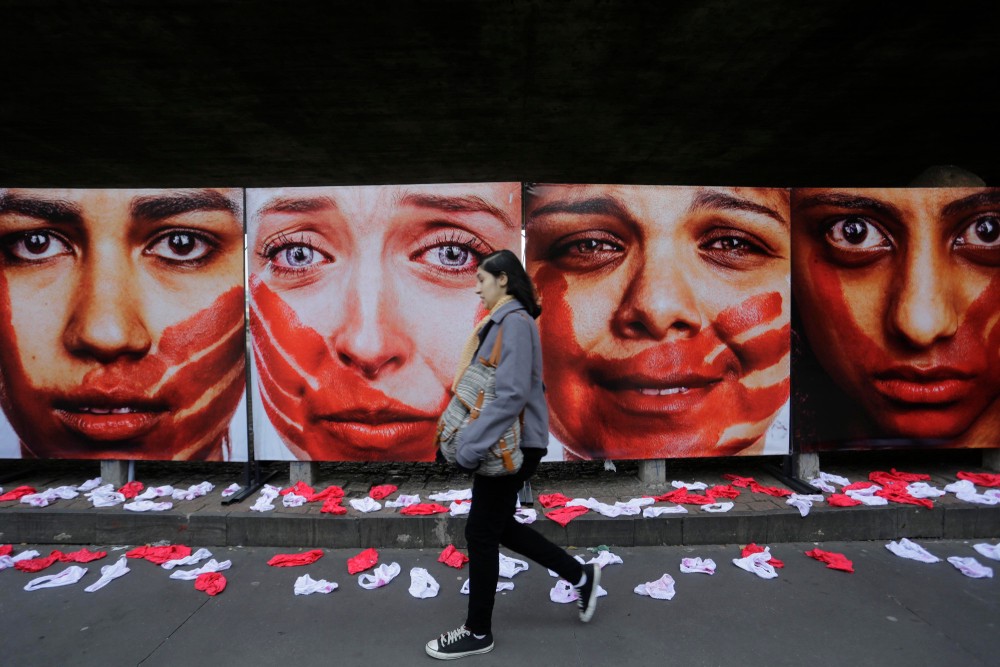
Color her in vibrant colors.
She shines in gold of divinity.
Exudes grace is shimmering silver.
Her passion is in the shades of red
She is all sweetness in pretty pink
Compassion and are colored in green
Deep and dark blues show her integrity
Yellow highlight her joy and exuberance
Her persona is rainbow hued, vibrating with life.
“Her” An ode to all women — Keep it alive by Sadje
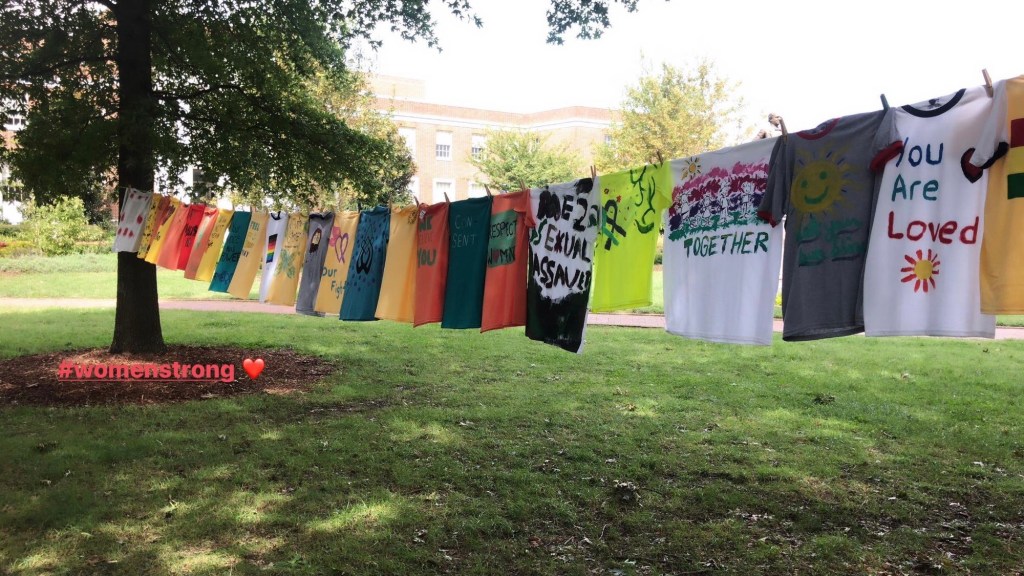
Around this time last year is when we heard about the prevalent femicides that were occurring in Turkey. Despite efforts to prevent gender-based violence over the past few decades, femicide persists globally particularly last year during the COVID-19 pandemic as men are more likely to abuse their domestic partners. We hear about cases where children are raped even before they reach adolescence which makes it seem as though the world is not a safe place for women or even girls of any age. I remember at the time I was 8 or 9 years old when my older cousin informed me about how there is a grand ceremony held for girls if she has her first period where guests bring her gifts and feed her sweets. Paradoxically, now that same individual has to carry on that burden of being a woman for the rest of her life. All of a sudden, she is supposed to ‘act like a women’, and she needs to be cautious pertaining to her body and lifestyle, so she isn’t a victim of rape, sexual assault, or molestation. I obviously didn’t comprehend the paradox to this idea back then. As a 24-year old woman, I can’t help but laugh at the absurdity even though I acknowledge the raw reality behind it. From the beginning of time, rape has always been an ever-looming threat in any part of the world. Just almost two years ago, a college-aged woman was raped and murdered in the back of her car by a predator because the victim didn’t respond to his catcalls. In the rape culture, it’s a recurrent theme where society blames victims for their circumstances by questioning their attire, alcohol intake, marital status, or even what time of day they were outside. In the Islamic tradition, God “Allah” initiated the wearing of the hijab in the Qura’an to honor and value women. When I asked one of my Muslim friends, she confided that wearing a hijab empowers her by giving herself a sense of value and respect. That being said, for those women who choose to not wear a hijab, it does not make them any less Muslim. But whether we like to admit it or not, rape culture is pertinent in the Muslim community like any other religious group regardless of modest clothing.
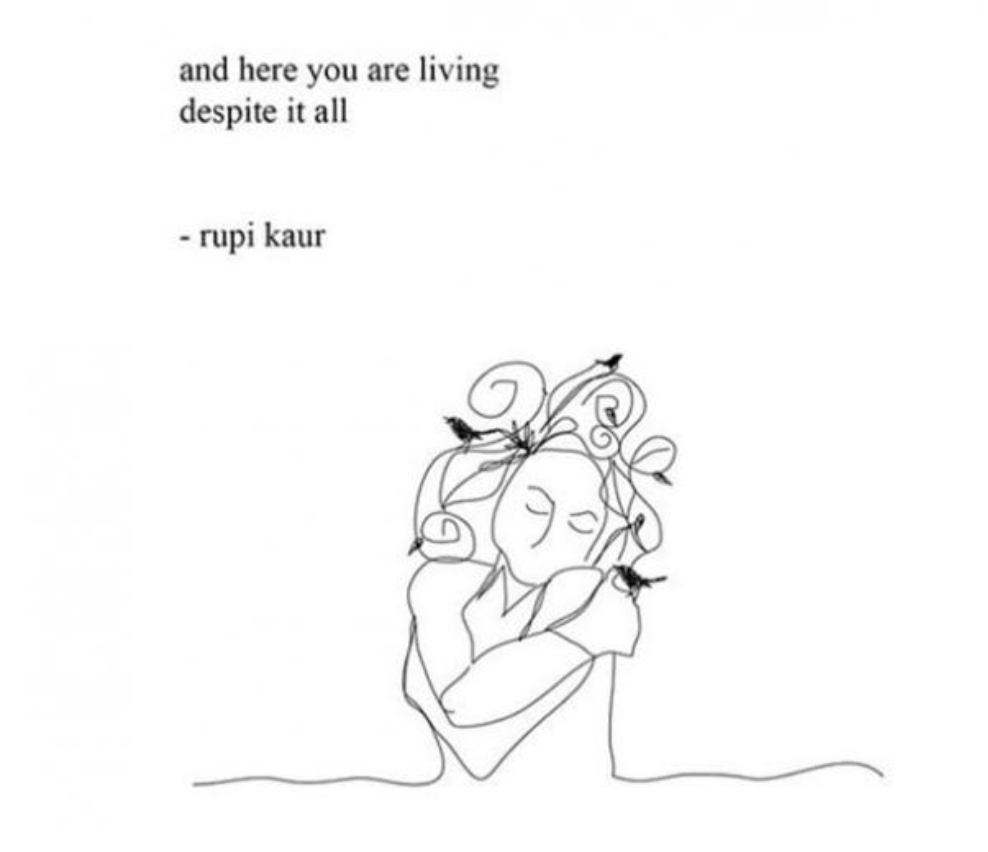
Even worse, it goes beyond just women’s safety and gender-based violence since it revolves around equal rights as well. We are going through times where people are applauding the idea of feminism. There are strong women leaders like Malala Yousafzai and Michelle Obama who advocate for young girls, fighting economic and political barriers to education. However, a large portion of society still de-shames this progressive thought. After marriage, it is common to see new brides strive to be the submissive wife that her husband and his family expect her to be. They sacrifice their hopes, ambitions, and careers for her family. In countries like India where society is patriarchal, there are high rates of illiterate women because they are married off once they reach 18 years old. Even though present-day India offers several opportunities for women to voice their opinion in everyday life, this was not the scenario twenty years ago. Since women were considered to be emotionally and economically dependent on their husbands, my relatives and extended family mocked my mom when she chose to work as a nurse in Saudi. She had no other choice to leave my older brother who was 2-year-old at the time within the care of my dad. Even today, patriarchy is still deeply rooted in Indian society, making it difficult for modern women to live her life on their own terms. Regardless of what a woman achieves in her life, society judges her on the basis of the ancient stereotypes about what an ‘ideal’ Indian woman should be like whether it’s about juggling household chores and the ability to conceive a child.
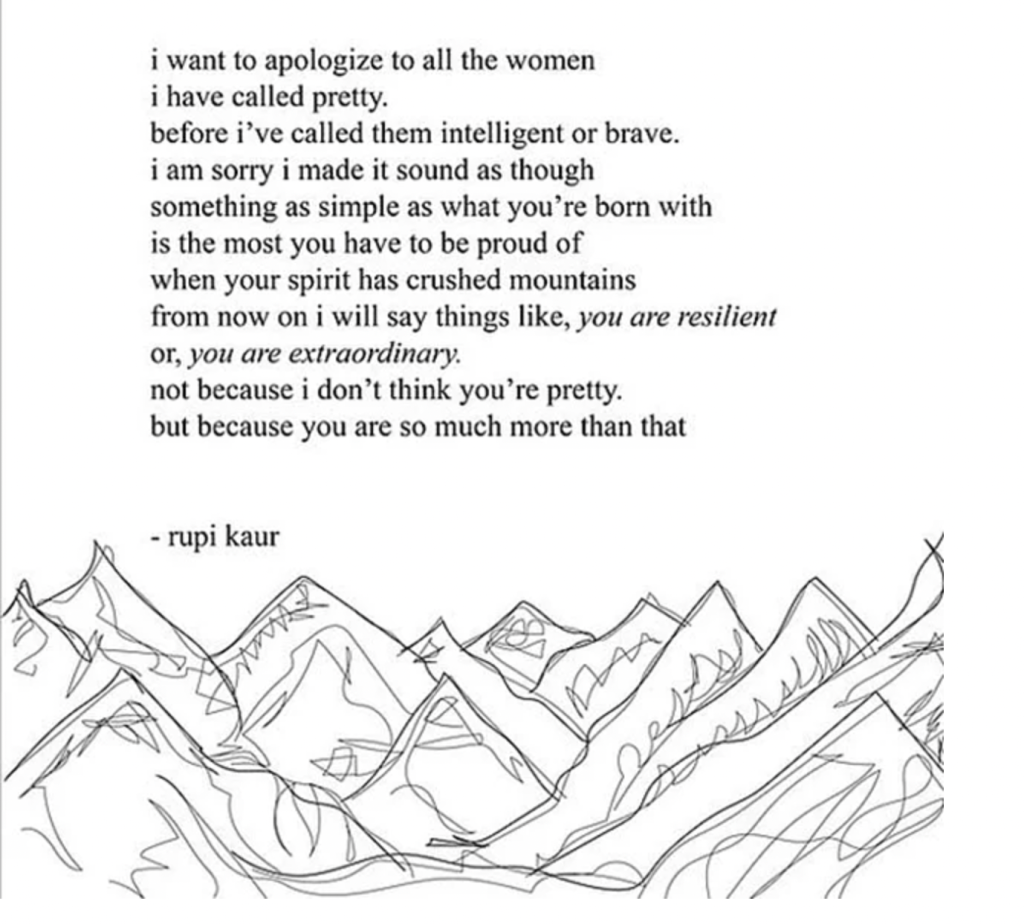
For me, this issue has always been personal. Because despite the income from both my parents, it was inadequate to raise our family of five in India. Like most immigrants, my parents too traveled to the United States when I was a child because they had faith in the American dream. They sacrificed the natural comfort of their homes and native language, envisioning a better education and opportunities for themselves and their children. My dad worked a blue-collar job and my mom started as a nurse aid and eventually worked her way up. Seeing their struggles and hard work, I realized the importance of determination and perseverance to make it in this world. Back in the day, it’s uncommon for girls past eighteen years old to pursue higher studies, so it makes me proud to see my cousins in India insist that they want to continue their education even though they surpassed their ‘marriage age’. Speaking for myself, I am fortunate to have the opportunity to earn my education and use my story to inspire others. I can confidently admit that education has been everything for me. It has opened some unexpected doors, giving me the confidence to pursue my dreams and utilize my talents. To all the strong and beautiful women who endures pain and battles, I stand in solidarity with in your victories and in your fight to be heard and tell your story.
 With Abba
You must be logged in to post a comment.